Water meter remote reading allows consumption data to be collected and transmitted without routine on-site meter inspection. It is widely used in residential metering, commercial buildings, utility networks and smart water management.
A complete remote reading system may use M-Bus, Wireless M-Bus, LoRaWAN, NB-IoT, RS485 or Bluetooth to transfer data. However, communication is only one part of the system architecture. Before data can be transmitted, the meter must first convert internal mechanical movement into reliable digital metering information.
WF8002 is not a LoRaWAN, NB-IoT, Wireless M-Bus or Bluetooth RF transceiver.
WF8002 is primarily a Metering MCU SoC operating at the underlying metering layer. An external communication module is responsible for transferring metering data to an AMR or AMI platform.
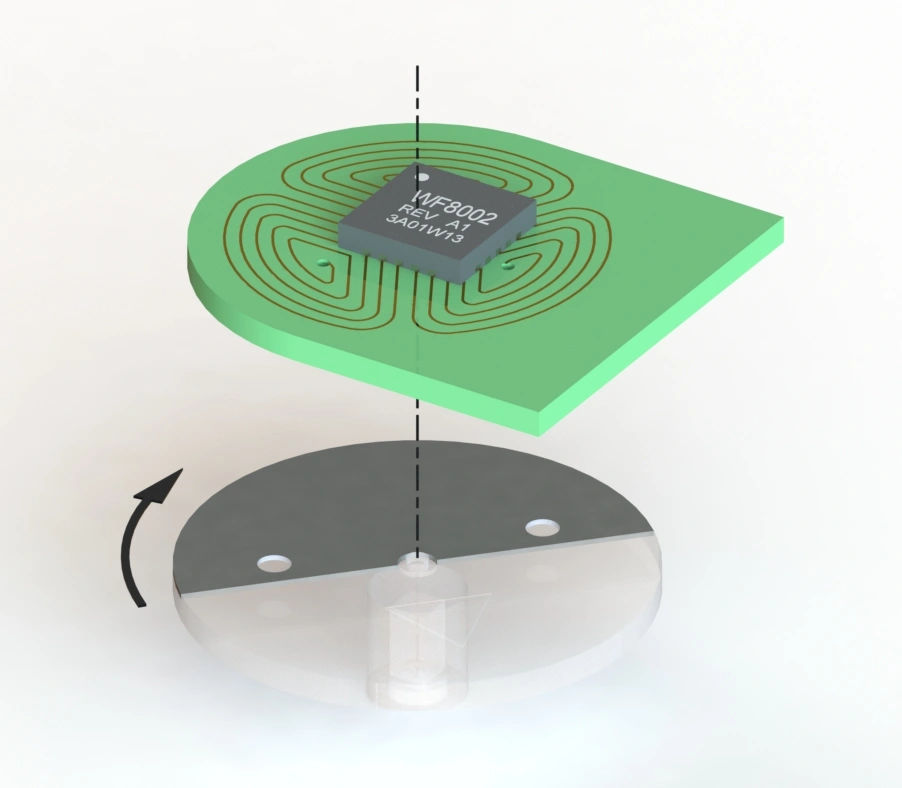
Water meter remote reading is the automatic collection and transmission of consumption data from a water meter to a local reader, data gateway or central management platform.
A typical remote reading process includes:
AMR generally refers to Automated Meter Reading and focuses on collecting meter data automatically. AMI may additionally include bidirectional communication, remote configuration, event reporting, billing-system integration and utility data management.
Whether an AMR or AMI architecture is used, reliable meter-side data acquisition must come first.
The complete system can be divided into three functional layers:
| Layer | Main Function | Typical Components |
|---|---|---|
| Metering Layer | Detect mechanical movement and generate reliable metering data | Mechanical meter, sensing structure and WF8002 |
| Connectivity Layer | Transfer meter data | M-Bus, Wireless M-Bus, LoRaWAN, NB-IoT, RS485 or Bluetooth |
| Application Layer | Store, analyze and use metering data | AMR, AMI, billing system or utility management platform |
A communication module may successfully send a data packet to the server, but it cannot determine whether the underlying mechanical movement was detected correctly. Reliable communication cannot compensate for missed rotations, false pulses or incorrect direction recognition.
WF8002 is designed for the underlying metering layer of smart water and gas meter applications. In a compatible mechanical design, WF8002 works with a PCB inductive sensing structure and a conductive metal target mounted on or integrated into the meter rotor.
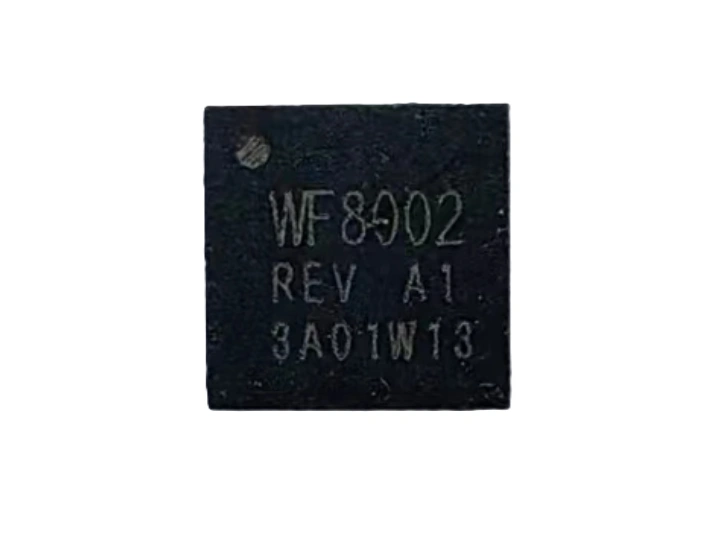
The basic data path is:
Mechanical Movement → Inductive Detection → WF8002 Processing → Metering Data
Within this architecture, WF8002 can support:
For applications requiring a pulse interface, a WF8002-based sensor can provide meter-side pulse output to a host MCU or communication module. The host system can then accumulate consumption, record events and upload data according to a defined schedule.
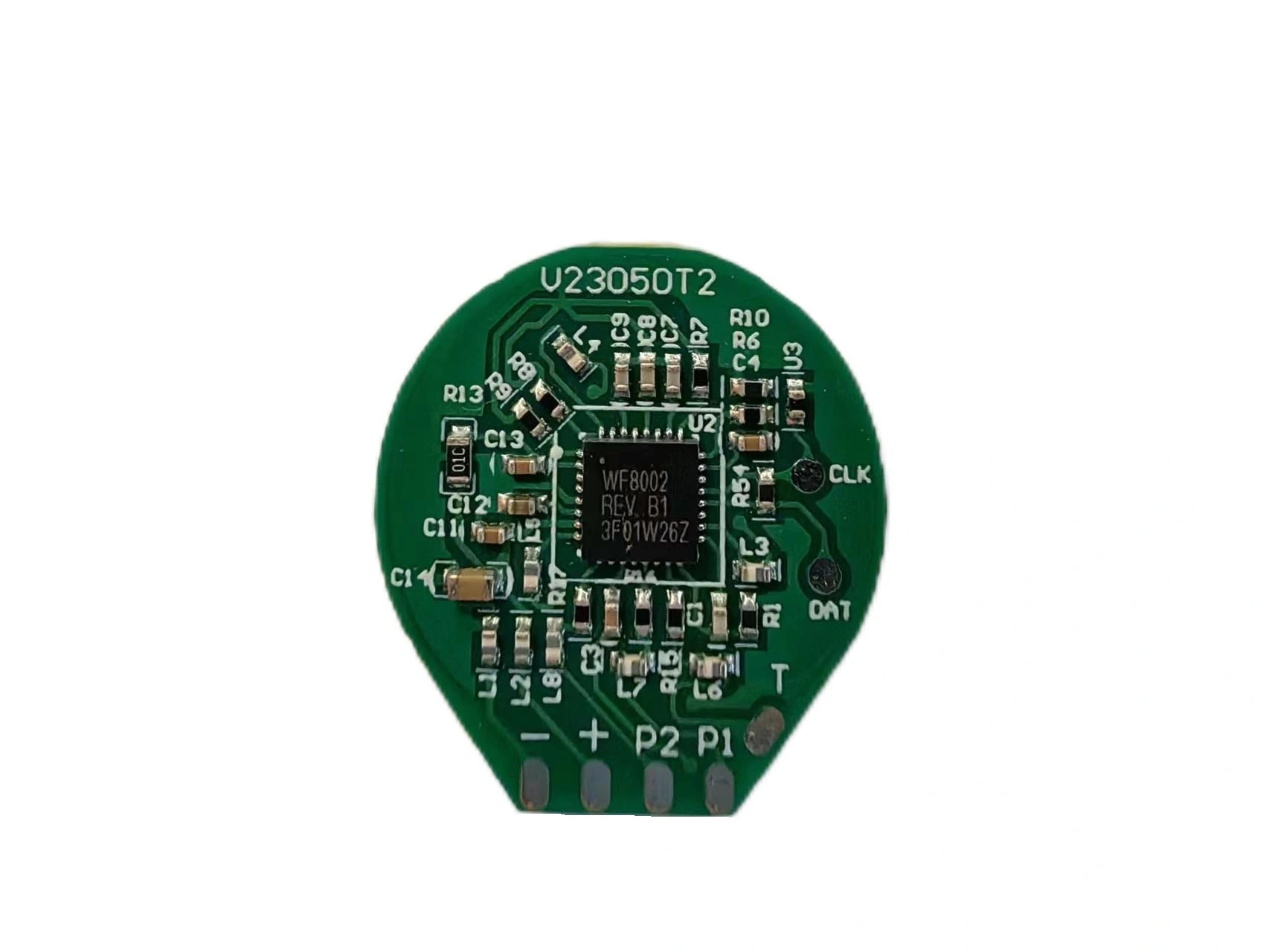
Learn more about the WF8002 Metering Chip / MCU SoC and our Pulse Output Sensors .
The appropriate communication technology depends on the installation environment, regional standards, network ownership, required reading distance and complete-system power budget.
| Technology | Typical Application | What Meter OEMs Should Evaluate |
|---|---|---|
| M-Bus / RS485 | Wired networks in buildings or centralized meter installations | Wiring, network topology, communication distance and electrical isolation |
| Wireless M-Bus | Walk-by, drive-by or fixed remote-reading networks | EN 13757 operating mode, frequency and OMS requirements |
| LoRaWAN | Long-range LPWAN deployments using public or private gateways | Gateway coverage, network ownership and regional frequency plan |
| NB-IoT | Cellular remote reading through an operator network | Network coverage, SIM cost, antenna design, certification and power consumption |
| Bluetooth | Local reading, commissioning, configuration and maintenance | Reading distance, mobile-device support and communication security |
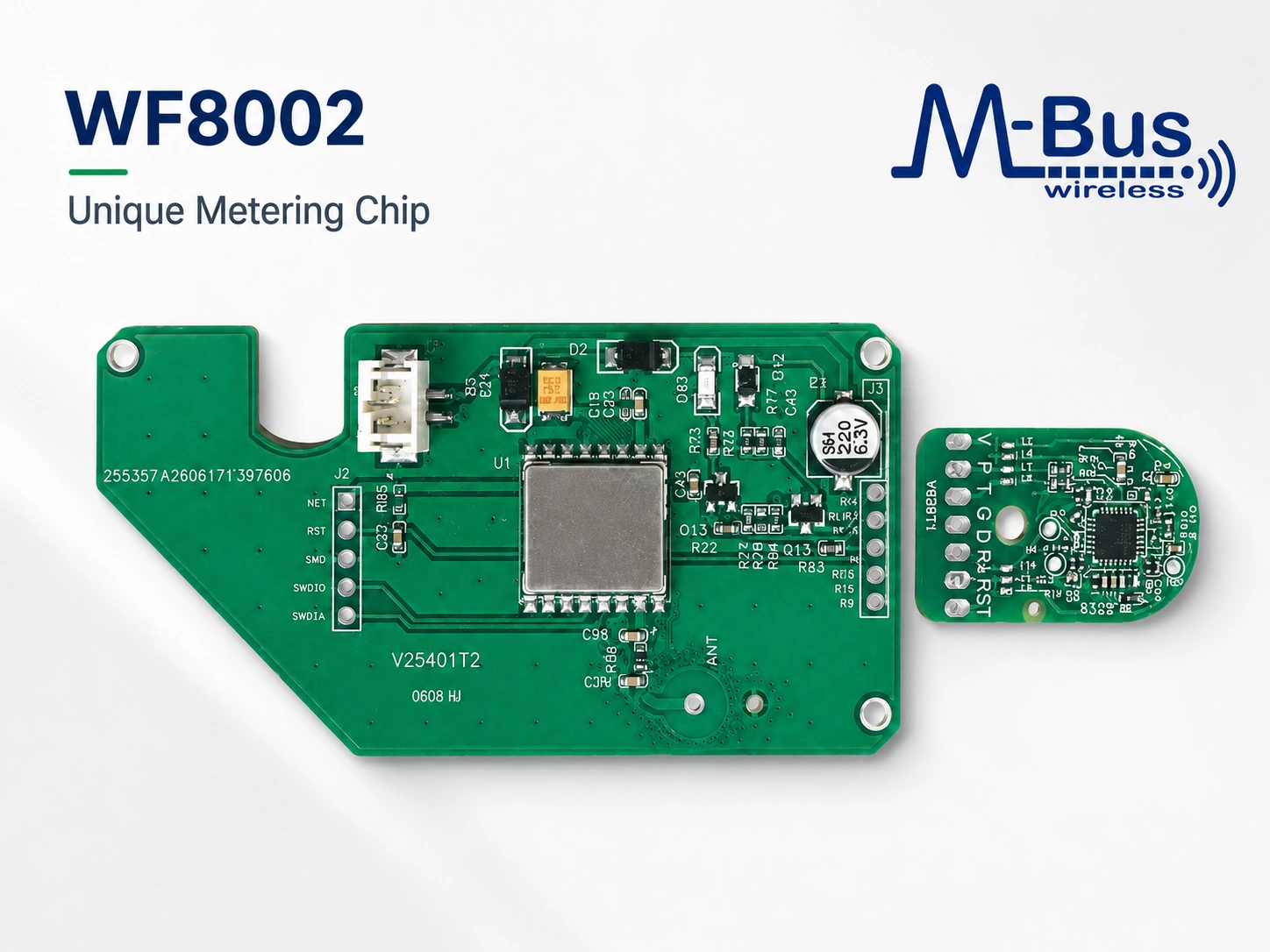
Explore our M-Bus/RS485 Sensors , Wireless M-Bus Sensors , Bluetooth Metering Sensor and LoRaWAN, 4G and NB Solutions .
A remote reading design should not be evaluated only by confirming that the device can connect to a network. Water meter manufacturers should also validate:
A low-power metering chip or communication module alone cannot guarantee a 10-year or 15-year meter battery life. The result depends on the sensing circuit, transmission interval, network coverage, retransmissions, valve operation, battery characteristics and environmental conditions.
1. Can a mechanical water meter support remote reading?
Potentially, yes. A compatible mechanical water meter can be equipped with a conductive metal target, sensing structure, WF8002-based sensor, controller and communication module. The complete solution must be validated for the specific meter mechanism.
2. Does WF8002 include LoRaWAN or NB-IoT communication?
No. WF8002 is primarily a Metering MCU SoC. LoRaWAN, NB-IoT, Wireless M-Bus or other connectivity should be implemented through an external communication module.
3. Why use non-magnetic inductive sensing?
Non-magnetic inductive sensing can detect a conductive metal target without using a permanent magnet. It can support contactless detection, forward and reverse movement recognition and resistance to external magnetic interference.
4. Which communication protocol is best for water meter remote reading?
There is no single best option for every project. M-Bus and RS485 suit wired networks; Wireless M-Bus is widely used in metering ecosystems; LoRaWAN supports long-range LPWAN deployments; NB-IoT uses operator networks; and Bluetooth is suitable for local access and maintenance.
5. Can a remote reading system detect reverse flow?
Reverse-flow recognition is possible when the conductive metal target, sensing structure and metering electronics are designed for bidirectional detection. The function must be validated in the complete meter.
Water meter remote reading is not only a communication problem. M-Bus, Wireless M-Bus, LoRaWAN and NB-IoT can transfer data, but the value of that data depends on the reliability of the underlying sensing and metering architecture.
WF8002 operates at the metering layer and converts mechanical movement into metering information. An external communication module then transfers the data to an AMR or AMI platform.
Hangzhou Weifeng provides WF8002 Metering MCU SoC, non-magnetic inductive sensing solutions, water meter pulse sensors, independent metering PCBAs and meter-side communication modules for smart water and gas meter projects.
Export Sales Manager: Jing Yapeng
Email: Jing@hangzhouweifeng.cn
Tel / WhatsApp / WeChat: 0086 136 1650 5123
View WF8002 Request Datasheet & Sample Contact Us
WF8002 is primarily a Metering MCU SoC, not an RF transceiver. Actual sensing performance, power consumption, communication coverage, battery life and system reliability should be confirmed using the latest technical documentation, the target meter mechanism and project-level engineering validation.


